

2026-07-29
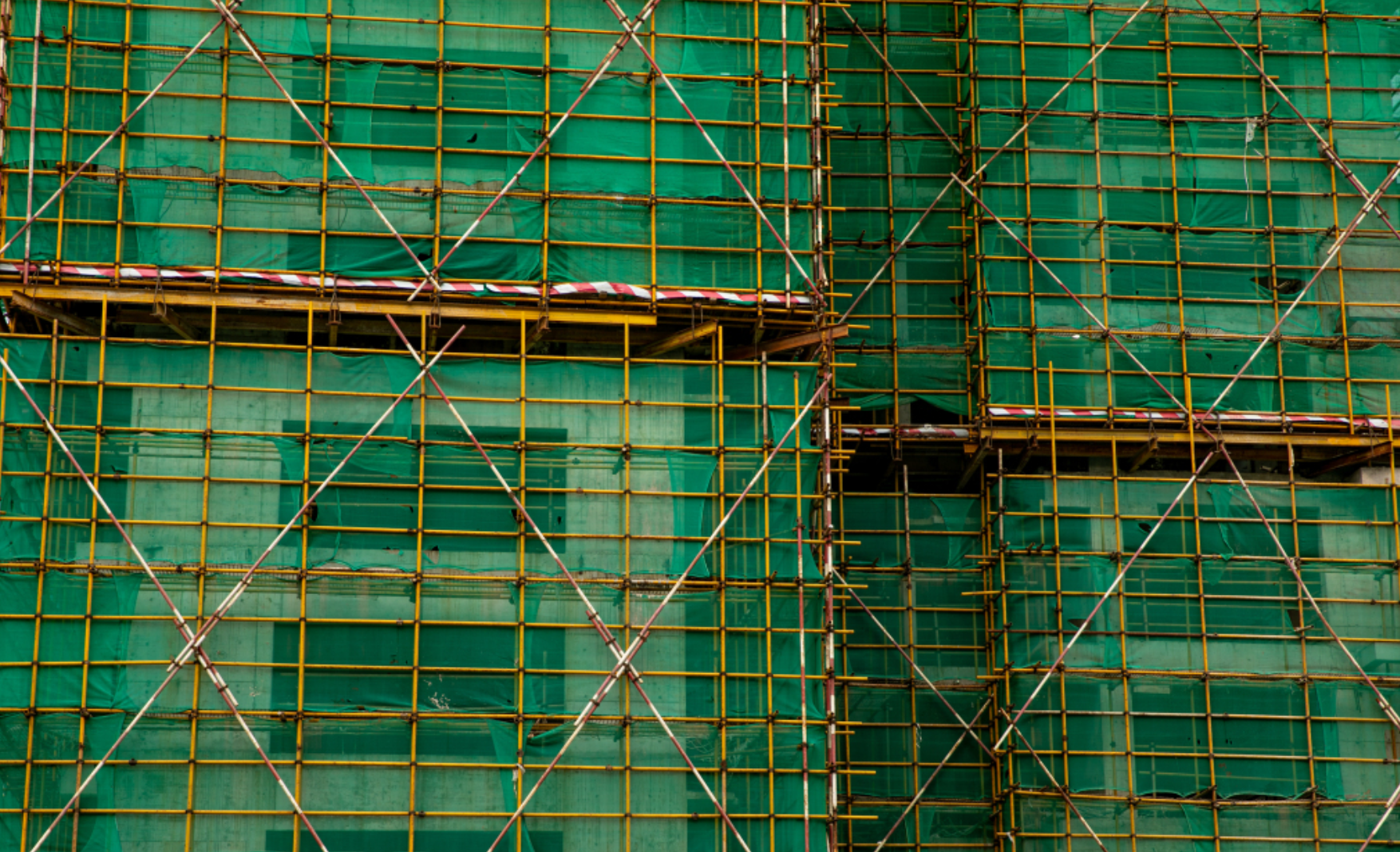
In modern construction engineering, safety and efficiency are always top priorities. As projects become larger and more complex, the importance of supporting materials continues to grow.
Netting, twine, and rope products made from Nylon, Polyethylene (PE), Polypropylene (PP), and Polyester offer high strength, durability, and lightweight performance, making them indispensable tools on construction sites.
1. Safety Protection in High-Altitude Work
In high-rise construction and bridge projects, safety systems are critical. Safety nets are widely used around structures and below working areas.
Made from high-strength nylon or polyester, these nets can absorb impact and prevent serious accidents. Key advantages include:
* High impact resistance
* Flexible structure that resists breaking
* Excellent weather resistance
Ropes are also used to secure these safety nets, ensuring stability under wind and external forces.
2. Scaffolding and Structural Support
Scaffolding systems rely on proper stabilization, where ropes play an important supporting role.
Applications include:
* Securing scaffolding joints
* Reinforcing structural stability
* Assisting assembly and dismantling
Compared to metal alternatives, synthetic ropes are lighter and easier to handle, improving efficiency and reducing labor intensity.
Polypropylene ropes are commonly used for temporary fixing, while polyester ropes are preferred for long-term structural support.
3. Site Protection and Environmental Control
Construction sites require effective environmental management and safety zoning.
Netting and rope products are used for:
* Dust control netting
* Site fencing and area separation
* Protection of stored materials
Polyethylene nets are widely used due to their durability and cost-effectiveness, while maintaining good airflow.
4. Lifting and Auxiliary Operations
In material handling and equipment installation, netting and ropes provide essential support.
Typical uses include:
* Assisting light material lifting
* Securing equipment
* Temporary pulling and positioning
Synthetic ropes offer flexibility and reduce the risk of surface damage compared to metal cables, while also improving handling safety.
5. Durability and Cost Efficiency
Durability plays a key role in controlling construction costs. High-quality netting and ropes can withstand harsh conditions and reduce replacement frequency.
Advantages include:
* UV resistance and anti-aging properties
* Low water absorption
* Corrosion resistance
These features help extend service life and reduce maintenance costs.
Conclusion
Although often overlooked, netting, twine, and rope are essential components in construction engineering. Their applications span safety systems, structural support, site management, and operational assistance.
As a professional manufacturer, we provide customized solutions tailored to construction needs, including material selection, specification design, and performance optimization to enhance safety and efficiency while reducing costs.


